What Are Assets and Liabilities? A Simple Guide With Examples
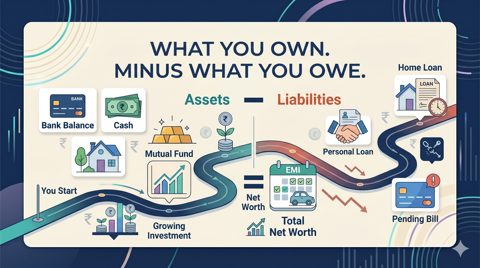
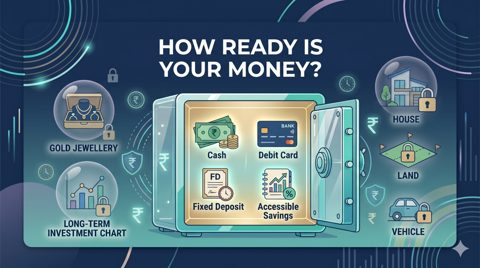
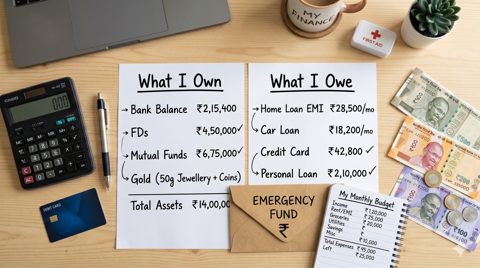
Assets are things you own that have financial value, while liabilities are amounts you need to repay. Understanding both helps you see your true financial position.
Evergreen money guides
Read simple learning pages about budgeting, loans, investing, liquidity, and practical money management.
Free learning library
Clear, practical explanations for everyday money decisions.
Assets are things you own that have financial value, while liabilities are amounts you need to repay. Understanding both helps you see your true financial position.
An emergency fund is money kept aside for unexpected but necessary expenses, such as medical bills, urgent repairs, or a sudden loss of income.
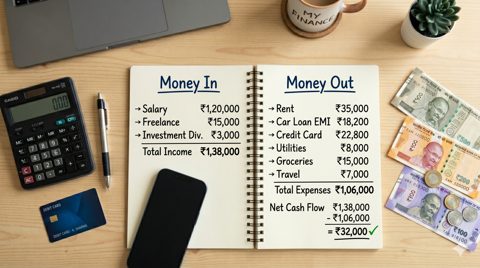
Cash flow shows how money moves through your life or household: what comes in, what goes out, and what remains after your regular expenses.
A personal budget is a simple plan for your money. It helps you decide how much to spend, save, invest, and keep aside for important needs before the …
A savings goal is money you set aside for something important in the future, such as a gadget, education, travel, a home expense, or a major life goal.
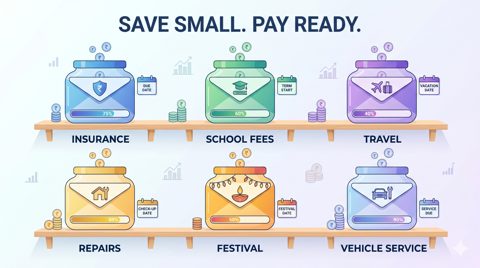
A sinking fund is money you save gradually for a known future expense, such as insurance, school fees, repairs, travel, festivals, or a big purchase.
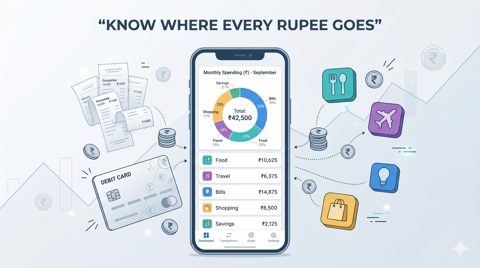
An expense tracker helps you record and understand your daily spending. It shows where your money goes, which expenses are growing, and where you can improve.
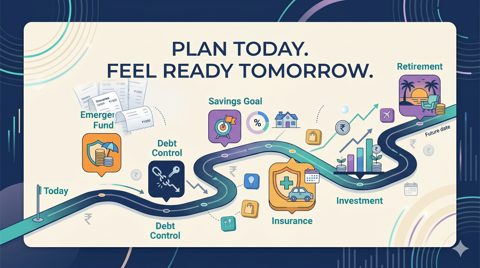
Financial planning is the process of understanding your current money situation, setting clear goals, and creating a practical plan for savings, expenses, debt, protection, and future needs.
A practical guide for understanding everyday money decisions.
Liquid net worth shows how much money you may be able to access relatively quickly after considering the debts and obligations you still need to repay.
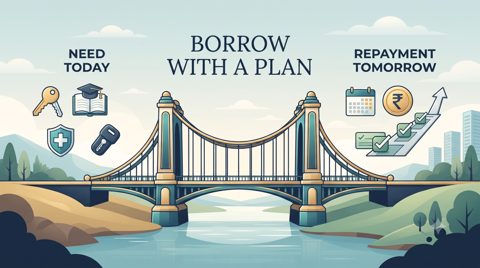
Debt is money you borrow and must repay, usually over time and often with interest. Understanding debt helps you borrow carefully, manage repayments, and avoid unnecessary financial pressure.
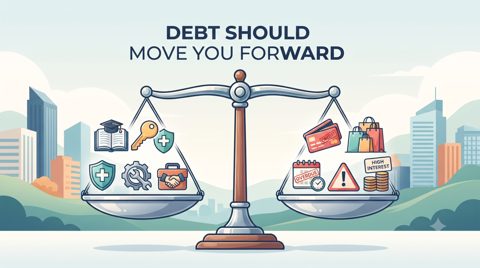
Good debt may support an important goal or useful need with a manageable repayment plan. Bad debt usually creates financial pressure without adding enough value to your life.
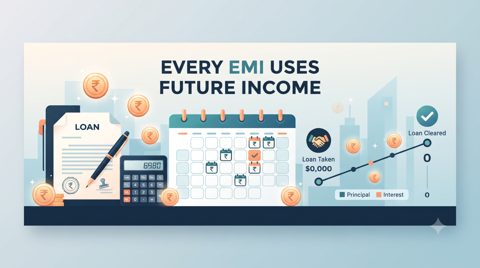
A loan EMI is the fixed monthly amount you pay to repay a loan over time. It usually includes both the borrowed amount and the interest charged on …
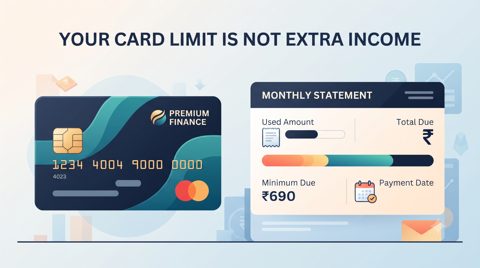
A credit card outstanding is the amount you still need to pay for credit card purchases, charges, and any balance carried forward from earlier statements.
An emergency expense is an unexpected and necessary cost that needs attention quickly, such as urgent medical care, essential repairs, or sudden income disruption.
An investment is money you put into an asset or financial product with the aim of helping it grow, generate income, or support an important future goal.